19 Jan
Understanding Pet Body Language: A Guide for UAE Pet Parents
Pets communicate constantly, even though they don’t use words. For pet parents in the UAE, learning to understand pet body language signs can make everyday interactions smoother and far less stressful. From morning walks in warm weather to vet visits or relocation, your pet’s body language reveals how they truly feel.
Understanding how to read pet behaviour helps prevent misunderstandings, reduces anxiety, and strengthens the bond between you and your pet.
Why Understanding Pet Body Language Matters for UAE Pet Parents
Life with pets in the UAE presents unique challenges. High temperatures, apartment living, busy surroundings, and frequent travel can all impact a pet’s emotional state. Many behavioural issues start when early warning signs go unnoticed.
By paying attention to pet body language signs, you can:
- Identify stress before it escalates into behavioural problems
- Adjust routines during extreme weather conditions
- Support your pet better during travel or relocation
This awareness is especially valuable when working with a professional pet travel company in UAE, where recognising stress signals can significantly improve your pet’s travel experience.
In multi pet households or shared living spaces, understanding body language also helps prevent conflict. Recognising discomfit early allows you to intervene gently, separate pets when needed, and avoid unnecessary tension.
Dog Body Language Explained in Simple Terms
Dogs express themselves through posture, facial expressions, and movement. Understanding dog body language explained in everyday situations makes it easier to respond correctly.
Signs of a Relaxed and Happy Dog
A comfortable dog usually shows:
- A loose, wiggly body posture
- A gently wagging tail at a natural height
- Soft eyes and a slightly open mouth
- Playful movements, such as a play bow
These signals indicate that your dog feels safe and confident in their environment. Regularly observing these relaxed behaviours helps you recognise what normal looks like for your dog, making it easier to notice subtle changes that may signal stress or discomfort later on.
Signs of Stress or Anxiety in Dogs
Dogs often show subtle stress signals before obvious fear or aggression appears, including:
- Lip licking or frequent yawning
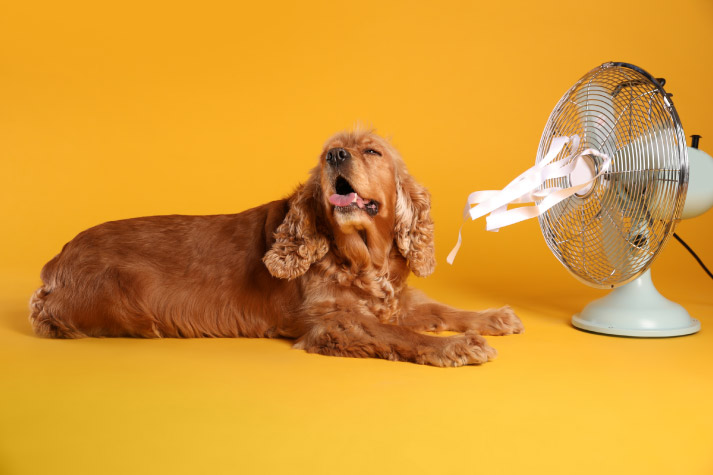
- Excessive panting without physical exertion
- Ears pulled back or flattened
- Avoiding eye contact or trying to move away
In crowded or unfamiliar places common in the UAE, these signs are easy to miss but important to address early.
Warning Signals That Require Immediate Attention
Clear warning signs should never be ignored:
- A stiff or frozen body posture
- Growling or baring teeth
- Raised fur along the back
These behaviours signal discomfort and a need for space to prevent escalation.
Cat Body Language Meanings You Shouldn’t Ignore
Cats communicate more subtly than dogs, which often leads to misunderstandings. Knowing common cat body language meanings helps you respond more appropriately.
Signs of a Calm and Content Cat
A relaxed cat may show:
- Slow blinking when making eye contact
- Ears facing forward in a neutral position
- A gently moving or relaxed tail
- Kneading with their paws
These behaviours indicate trust and comfort. Responding calmly to these signals reinforces a cat’s sense of security and encourages positive interaction over time.
Signs of Stress or Overstimulation in Cats
Stress in cats is often expressed through:
- Flattened ears or widened pupils
- Rapid tail flicking or lashing
- Hiding or sudden withdrawal from interaction
These changes often happen due to environmental changes, long distance travel or irregular routine.
Aggressive or Defensive Signals
Before reacting aggressively, cats usually give warnings such as:
- A puffed-up tail
- An arched back
- Hissing, growling, or swatting
These signs not always mean dislike, sometimes cats need space and respecting these signals helps prevent injury and long-term anxiety.
How to Read Pet Behaviour in Daily Situations
Learning how to read pet behaviour is about observing patterns rather than isolated actions. Context plays a key role.
During walks, especially in hot UAE weather, heavy panting or slowing down may indicate heat discomfort rather than poor training. At home, sudden changes in appetite, sleep, or social behaviour often signal emotional stress or health concerns.
Travel can be particularly challenging for pets. Signs such as trembling, excessive vocalisation, or refusal to eat are common during trips. This is why choosing an experienced pet travel company in UAE that understands animal behaviour can make a meaningful difference.
Preparing pets gradually for changes, maintain familiar routines, and offering reassurance through calm handling can significantly reduce stress during these situations.
Common Pet Body Language Signs That Are Often Misunderstood
Some pet body language signs are frequently misinterpreted:
- A wagging tail doesn’t always mean happiness; speed and stiffness matter
- A cat’s purring can sometimes indicate stress, not just contentment
- Rolling over may be a defensive posture rather than an invitation to touch
Understanding these nuances helps prevent unintentional stress and improves communication.
Conclusion
When you consistently respond to your pet’s signals, trust naturally grows. Pets feel safer when their communication is acknowledged, which leads to calmer behaviour and easier training. Over time, this awareness improves every interaction, from daily routines to major life changes like travel or relocation.



AUTHOR’S BIO
Shivangi Lawania
Storytelling is my way of bringing ideas to life. I enjoy shaping words that spark curiosity and connection, while keeping a strong focus on branding and communication. For me, great content blends creativity with clarity to leave a lasting impression.